
Information islands: when your ERP, Excel and WhatsApp don't talk
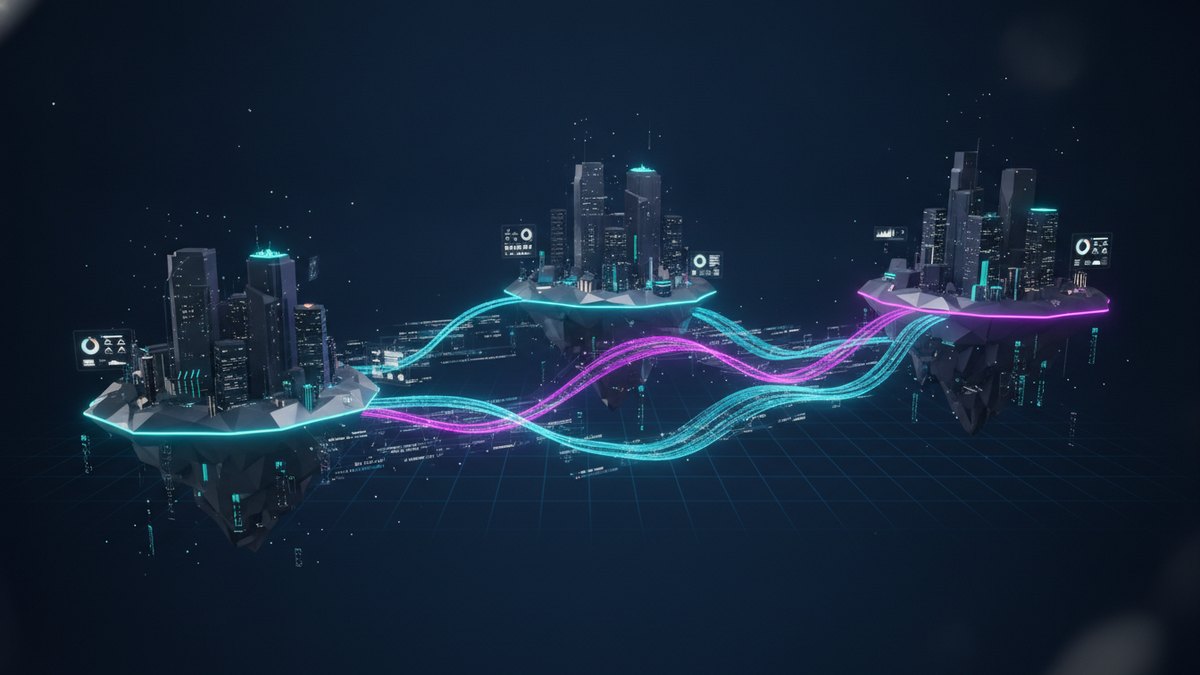
When your ERP, your Excel sheets, and the orders that come in over WhatsApp each live on their own, you have disconnected systems in your company that force your team to copy data by hand and to decide with information that doesn’t add up. We call this “information islands”: each area has its own version of reality, and no one has the full map. On a factory floor, those islands are the silent cause of discrepancies, delays, and decisions made blind.
The pattern is so common it almost seems normal: the warehouse keeps its Excel, sales uses the accounting ERP, purchasing is agreed by email, and urgent orders come in over WhatsApp. Each tool works, but none talks to the others. The result is a team devoted to being a “human bridge” between systems that should be connected.
Why do information islands form?
Islands rarely come from a bad decision; they come from growth. First comes accounting, because you have to invoice. Then someone builds an Excel for inventory, because the accounting software doesn’t control it well. Later the salesperson opens a WhatsApp group with customers because it’s convenient. Each piece solved a real problem in its moment, but no one designed how they would coexist.
Over time, each tool accumulates data the others can’t see. The updated price is in the sales Excel, but the ERP invoices with the old one. The order was closed on WhatsApp, but the warehouse never found out. Accounting has one product catalog and inventory has another. Nothing is wrong on purpose; it’s simply that nothing is connected.
What does operating with disconnected systems cost you?
The cost of disconnected systems in your company isn’t always visible, but it’s constant. These are the most frequent consequences in an industrial SMB:
- Double and triple entry: the same data is typed into the Excel, the ERP, and the chat, multiplying errors.
- Contradictory information: two systems say different things about the same product or customer, and no one knows which to believe.
- Late decisions: to know something simple you have to “gather” data from three places, and by the time you have it, it’s changed.
- Dependence on people: only certain team members know how to reconcile everything, and without them the operation stalls.
- No leadership view: building a report for management is a manual project every month, instead of a dashboard that’s always there.
What is a “single source of truth”?
A single source of truth is exactly what the name says: one place where the correct data lives, and from which everyone else drinks. It doesn’t mean having one giant program that does everything; it means that when someone asks “how many units are there of product X?” there’s a single reliable answer, no matter who asks it or from where.
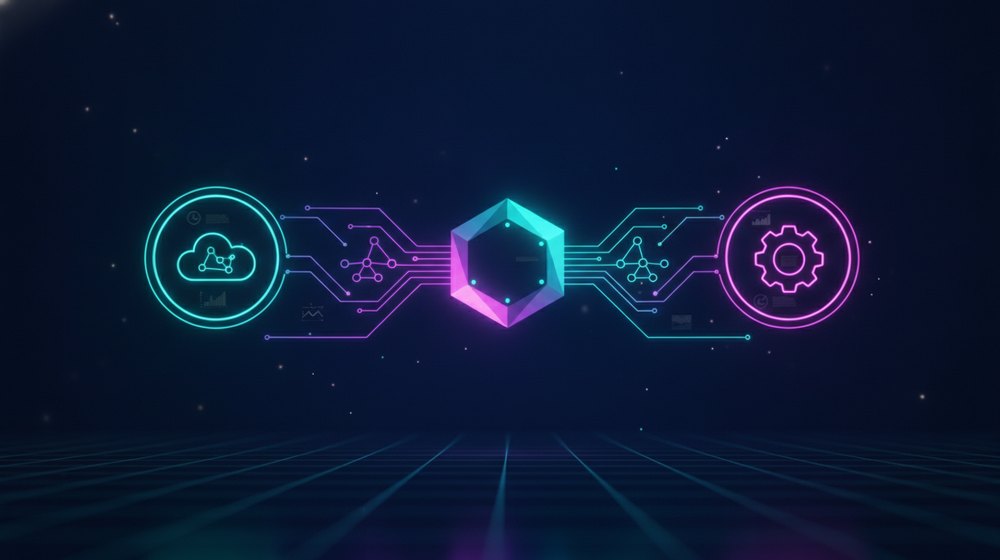
When that single source exists, the magic isn’t technological, it’s operational: the salesperson quotes with real prices and stock, the warehouse sees the order the moment it closes, and leadership opens a dashboard and sees the full picture without asking anyone for anything. The data is entered once and flows to wherever it’s needed.
Replace everything or integrate what I already have?
Here’s the most expensive mistake many companies make: believing the solution is to throw everything out and buy a huge system that does it all. In practice, that tends to be slow, extremely expensive, and traumatic, because it forces the company to abandon tools that do work, such as your accounting.
The sensible route is the opposite: integrate. Your accounting software, such as CONTPAQi or AdminPAQ, does its job very well —invoicing, journal entries, tax compliance— and there’s no reason to replace it. What’s missing isn’t another accounting system, but an operations platform that connects to it: one that takes its catalogs, returns the data it needs to invoice, and eliminates double entry between operations and accounting. Instead of replacing your accounting, we integrate it.
Integrating isn’t piling on more programs; it’s getting the ones you already have to finally tell the same story.
What does an integrated operation look like?
Picture the flow with no islands. An order comes in —through the portal, the salesperson, or even captured from a message— and lives in a single place. That order deducts stock from the multi-warehouse inventory instantly, triggers the task for the warehouse, applies the correct price by customer, and, when invoiced, feeds directly into your accounting system without anyone typing anything again. Leadership sees it all reflected in a real-time dashboard.
That’s what a well-designed custom platform does: it doesn’t replace your useful tools, it orchestrates them. And because it’s built for your real process —not the other way around— it adapts to how your company works in Vallejo, Tlalnepantla, or Cuautitlán, instead of forcing you to change your operation to fit rigid software.
At Normandia Web we design platforms that break down information islands and create a single source of truth for your industrial operation, integrating what you already use and respecting that the code and the data are yours. If your team spends the day copying data from one system to another, let’s talk and let’s see how to connect your operation end to end.
Ready to put it to work in your company?
Tell us what’s costing you time, money or control. We’ll help you figure out where to start.
Start your consultation →