
Don't replace your CONTPAQi: integrate it
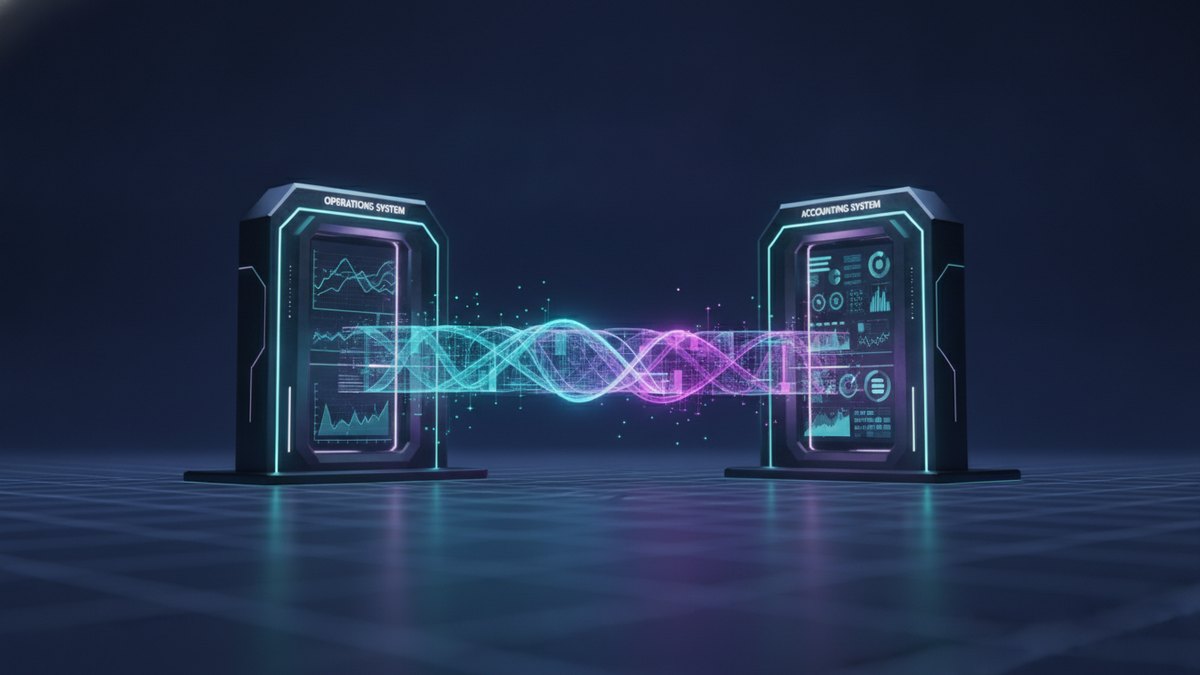
You don’t need to replace your CONTPAQi or your AdminPAQ to digitize your operation: a custom platform integrates with your accounting instead of replacing it, so you keep invoicing and bookkeeping as always, but without the double capture or the information islands. This is, in our experience, the most common misunderstanding and the one that most holds back industrial SMBs in the Valley of Mexico when they think about modernizing.
The fear is legitimate. A company’s accounting is its fiscal backbone, and CONTPAQi has worked for years, complying with the tax authority and being fully mastered by the accountant. The idea of changing it sounds like unnecessary risk. And you’re right: you shouldn’t change it. What you can —and should— do is connect it with the rest of your operation. That’s integrating, not replacing.
Why is integrating better than replacing?
Because each system should do what it’s good at. CONTPAQi and AdminPAQ are excellent at their job: electronic invoicing, tax compliance, accounting entries, financial statements. They were not designed, however, to control your multi-warehouse inventory, your routes, your work orders, or per-customer pricing in real time. Forcing your accounting to do operational things is as impractical as asking your operation to keep the books.
The mature answer isn’t to choose one or the other, but to have each do its part and communicate. Your custom operations platform governs the floor, the warehouse, and the sale; your accounting system governs the invoice and the entry; and a data bridge between the two makes what happens in the operation reflect in accounting without anyone capturing it twice.
What exactly gets integrated between operations and accounting?
Integration isn’t “all or nothing.” It’s defined according to what hurts your company today. These are the most common connection points:
- Invoicing. A sale or a closed order in the platform triggers the invoice in CONTPAQi with the correct data, without re-entering client, line items, or amounts.
- Catalogs. Clients, products, and SKUs stay aligned between both systems, so there aren’t two versions of the same data.
- Accounting entries. The operation’s movements (sales, purchases, inventory adjustments) generate the information the accountant needs for the entry, organized and ready.
- Collections and receivables. The customer’s account statement is fed by what’s invoiced and what’s paid, so sales and administration see the same thing.
- Inventory and costs. The warehouse’s physical movement and its valuation become available to accounting without parallel counts.
The exact scope is decided with you. What matters is the principle: a piece of data is captured once and travels wherever it’s needed.
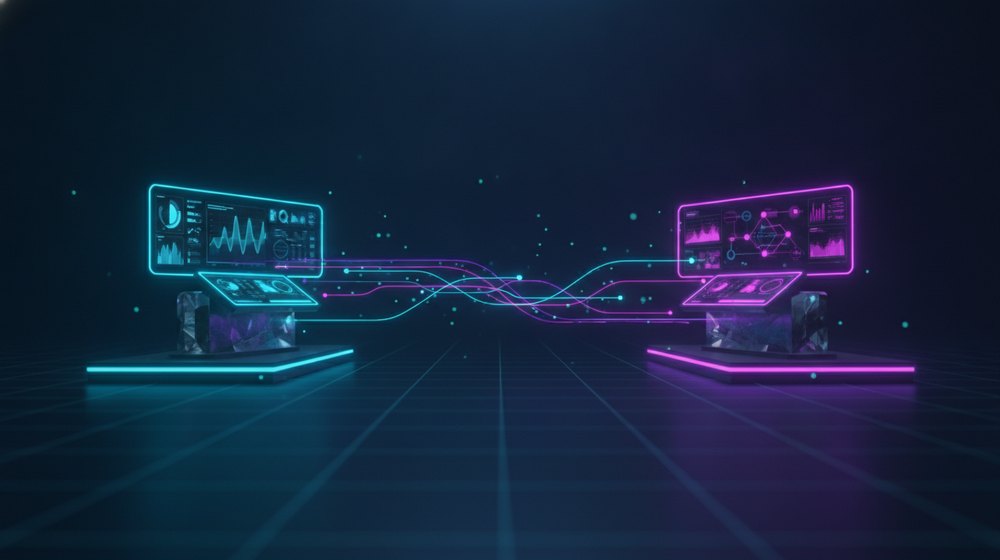
What does my company gain by integrating instead of replacing?
The first benefit is the most tangible: double capture ends. Today it’s common for someone to record the sale in an Excel or in the operations system and then for another person to re-key it into CONTPAQi to invoice. That not only consumes hours, but every re-entry is a chance for error: a different price, a misspelled client, an amount that doesn’t match. With integration, the data is born once and arrives correct on the invoice.
The second benefit is the single source of truth. When operations and accounting talk, discrepancies like “sales says one thing and accounting another” cease to exist. Leadership sees consistent numbers, the accountant trusts what they receive, and decisions are made on data, not assumptions.
The third, and no small matter, is peace of mind. Your accountant keeps working with the tool they master. Your tax team doesn’t have to relearn anything. Tax compliance is untouched. You modernize the operation without risking what already works.
Digitizing isn’t throwing out what works and starting from scratch: it’s connecting what you already have so it works together and without friction.
Is this integration complicated or risky?
It’s a known, controlled process, not a leap into the void. CONTPAQi and AdminPAQ offer mechanisms to exchange information with other systems, and a custom platform is designed precisely to converse with them in an orderly way. The work consists of understanding your real process, defining what data must travel and when, and building the bridge with validations that prevent incomplete or incorrect information from passing.
Like any serious project, it’s done in phases and tested before going live. Nothing is switched off overnight. Accounting keeps running while the integration is fine-tuned, and only when the flow proves reliable is it fully adopted. That gradual approach is what turns a change that sounds terrifying into a manageable improvement.
And if my operation grows or changes tomorrow?
That’s the added advantage of a custom platform: it grows with you. If tomorrow you open another warehouse in Naucalpan, add a product line, or change how you quote, the operation adapts and the integration with accounting adjusts at the same pace. You’re not trapped by the limits of off-the-shelf software nor forced to migrate your entire accounting every time the business evolves. Your operation and your accounting move forward together, each in its own lane.
At Normandia Web we build custom platforms that integrate with your CONTPAQi or AdminPAQ, not replace them, so you digitize your operation without touching what already complies with the tax authority. If the fear of losing your accounting has held you back, let’s talk about how to integrate it safely.
Ready to put it to work in your company?
Tell us what’s costing you time, money or control. We’ll help you figure out where to start.
Start your consultation →