
From paper to control: a machine shop's story
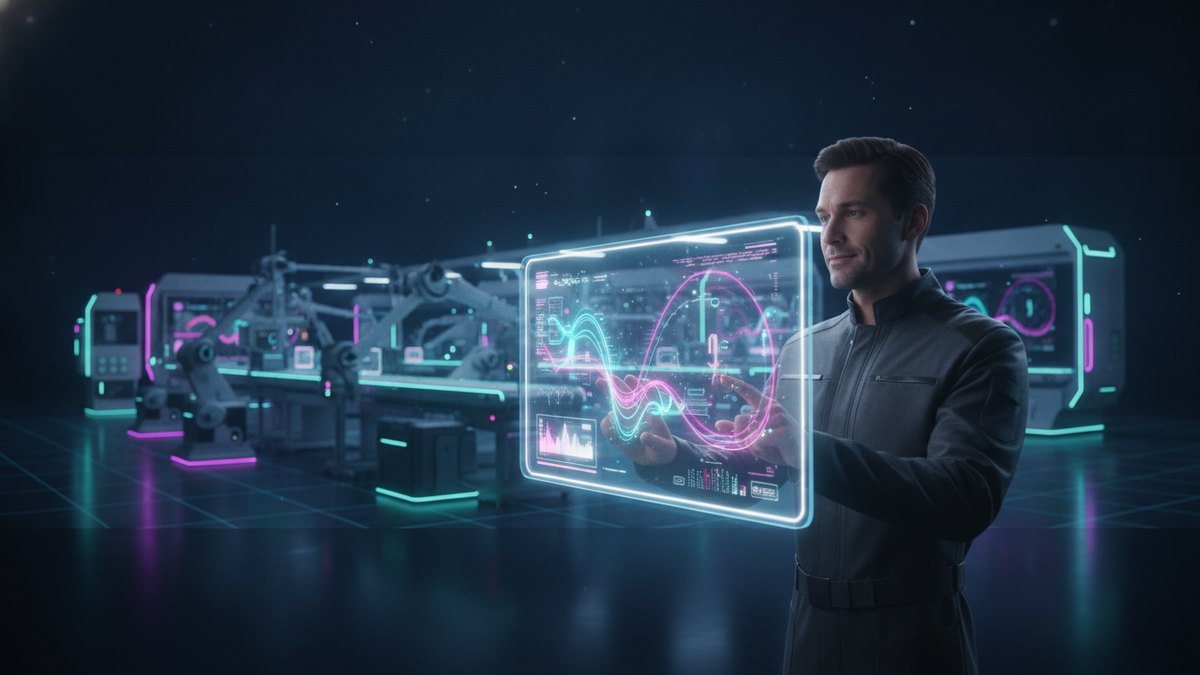
This CNC machining success story is an illustrative example, not a real client: it describes the typical scenario of a machine shop in Iztapalapa that left paper behind and gained control over its quotes, its deliveries and its errors. We share it because it captures, without names, what we see over and over in metalworking across the Valley of Mexico: capable shops, with good operators and good machines, but tied to notebooks, loose sheets and knowledge that lives in a single person’s head.
Let’s be clear from the start: the shop in this story is representative, a composite of real situations we’ve heard about. The numbers we mention are qualitative and serve to illustrate the before and after, not to boast a statistic.
How did the shop work before?
Before, the whole shop ran on paper and trust. Quotes were done by hand or in an Excel file each person kept on their own computer. The work order was a sheet that went down to the floor with the operator, and if it got smudged with oil or misplaced, the part’s information was lost along with it.
The owner described his day as “putting out fires.” A client would call to ask about their order and no one knew for sure which machine it was on or when it would be finished. Raw material was ordered on a hunch, and sometimes they bought too much or stopped a machine for lack of stock. The symptoms were clear:
- Quotes that took days because they depended on whoever “knew the prices.”
- Deliveries promised without seeing the shop’s real workload.
- Data-entry errors when transferring a dimension from the sheet to the machine.
- Zero traceability: if a part came out wrong, no one knew at which step it happened.
What changed after leaving paper behind?
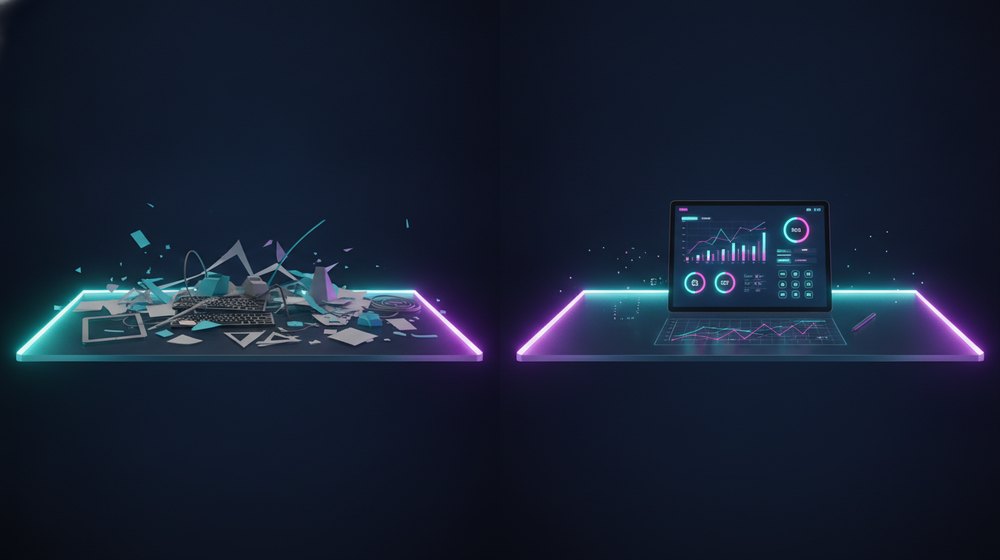
What changed was not buying new machines, but adding a digital layer to the process that already existed. The full flow was digitized: quote, work order, part tracking on the floor, raw-material consumption and scrap logging. Each part stopped being a loose sheet and became a record anyone could look up.
The most important shift in mindset was this: information stopped living in one person’s head and moved to a platform the whole shop could see.
What results did the shop see?
Results showed up first where it hurt most: in quoting speed and in delivery confidence. With pricing rules, materials and lead times stored in the system, a quote that used to take days started going out the same day. That alone changed the conversation with the client.
On the floor, the digital work order eliminated the double entry of dimensions and, with it, much of the rework. When a part came out out of spec, the record showed at which step it had happened, so the problem was corrected instead of repeated. And because raw-material consumption was logged, purchasing stopped being guesswork.
Digitizing a shop is not about changing machines: it’s about no longer losing on paper what you’re already making well.
The owner summed up the change simply: he went from chasing information to having information chase him, with alerts for low stock and orders about to come due.
Why does this example apply to your shop?
This example applies because the underlying problem is the same across nearly all metalworking in Iztapalapa, Vallejo and the rest of the Valley of Mexico: shops that manufacture well but manage blind. It doesn’t matter whether you make precision parts, tooling or short runs; if your control lives on paper and in Excel, you’re leaving money and peace of mind on the table.
The value of a custom approach is that it doesn’t force you to change how you machine, but to organize how you quote, schedule and deliver. And because the system is built on your real process, not on a generic mold, it feels like a tool made for your shop, not a straitjacket.
In short
In short, the story of this illustrative shop shows a path any machining business can travel: start by digitizing the quote and the work order, continue with part traceability and raw-material control, and end with a dashboard where the owner sees everything without chasing anyone. The result is not just more order; it’s quoting faster, meeting deliveries and no longer repeating errors that cost dearly.
At Normandia Web we build custom platforms for shops and industrial SMBs across the Valley of Mexico, integrated with your operation and your accounting, and with one clear premise: the code and the data are yours. If your shop still runs on paper and you want to see what the before and after would look like in your case, let’s talk and run a no-obligation diagnosis.
Ready to put it to work in your company?
Tell us what’s costing you time, money or control. We’ll help you figure out where to start.
Start your consultation →