
Will AI replace your team? An honest answer
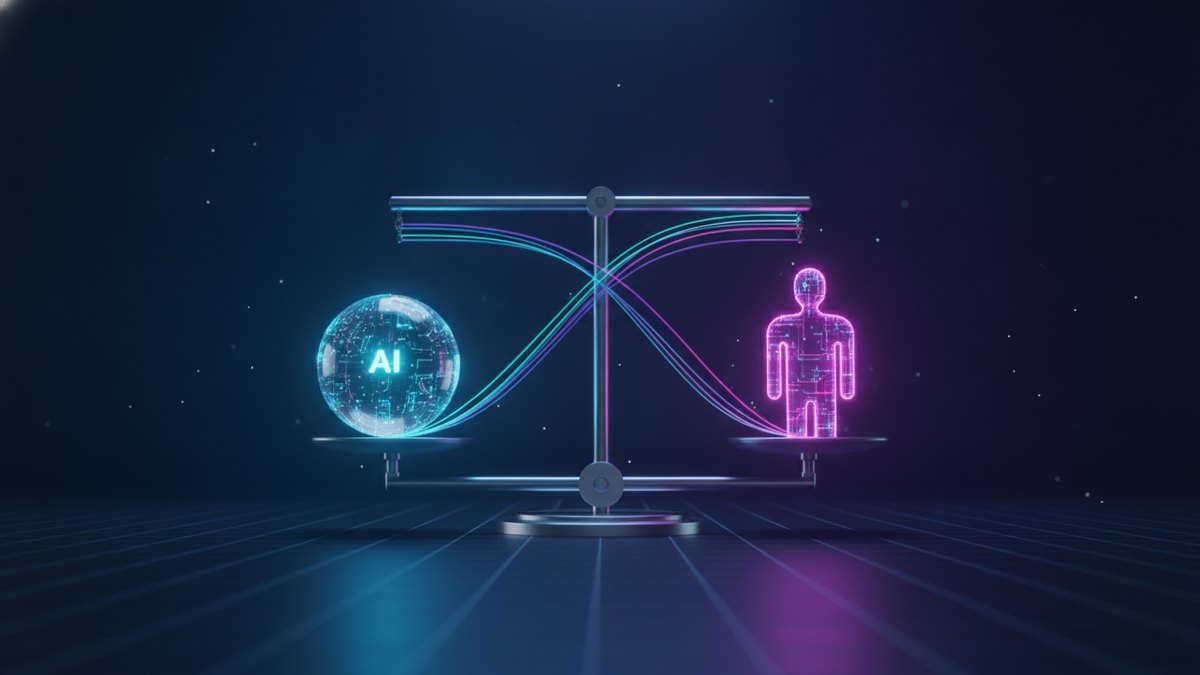
The honest answer is no: today artificial intelligence is a multiplier for teams that already know what they’re doing, not a replacement for human judgment. It changes the tasks, not the people. And understanding that difference is what separates the businesses that take advantage of AI from those that fear it or overrate it.
The question is legitimate and deserves an answer without spin. In 2026 there’s no shortage of headlines announcing the end of human work, and just as many promising AI will change nothing. Neither extreme is true. As an agency that uses AI every day to build software, here’s what we actually see.
Can AI already do my team’s work on its own?
Not on the tasks that require judgment, context, and accountability. AI is extraordinary at producing quick drafts, but it needs someone to direct it, review it, and answer for the result.
The example we know best is software development. Today AI generates drafts and base structure (what we call scaffolding): repetitive parts of code, the skeleton of a function, first versions of a test. It’s a great help. But it requires constant human review, like a very fast but inexperienced junior developer: it proposes solutions that are sometimes correct, sometimes subtly wrong, and sometimes insecure. Without an engineer with judgment to decide the architecture, review the security, and ensure the system can be maintained, that code isn’t reliable.
That pattern repeats across almost every area: AI speeds up production, the human provides the judgment.
So what actually changes?
The tasks change, not the roles. AI absorbs the repetitive, mechanical part of many jobs, and leaves people the part that demands experience, empathy, and decision-making.
- The copywriter stops starting from scratch and spends more time editing, refining strategy, and adding the brand voice.
- The support agent stops repeating FAQs and handles the cases that truly need a person.
- The developer spends less time on repetitive code and more on designing, integrating, and solving the complex.
- The admin stops entering data by hand and focuses on interpreting and deciding.
In every case, the work becomes more about judgment and less about repetition.
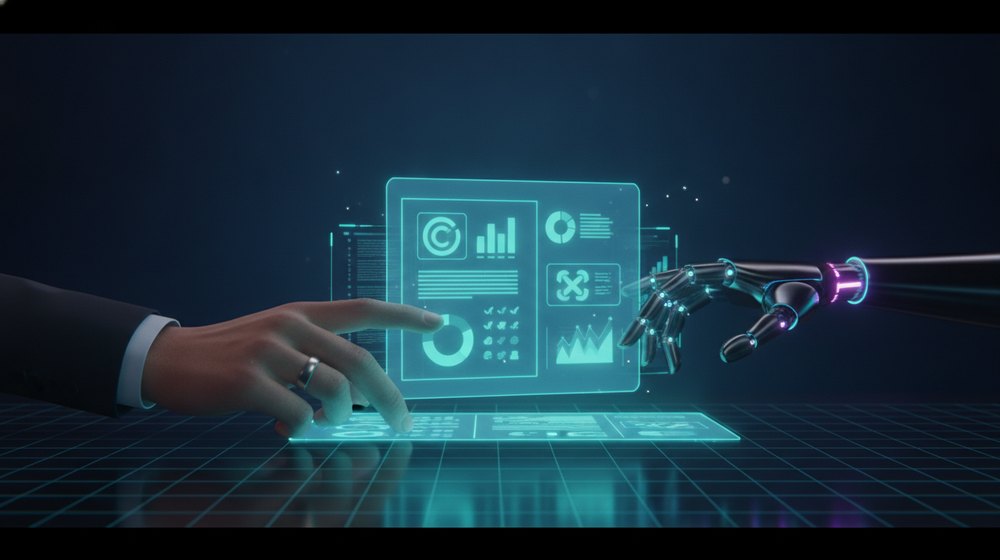
Which skills become more valuable?
The most human ones, precisely. When producing a first draft stops being the bottleneck, what’s scarce —and therefore valuable— shifts:
- The judgment to review. Knowing how to tell a good result from a mediocre or dangerous one is pure gold today.
- Business context. AI doesn’t know your customers, your history, or your goals. Someone who does decides better.
- Communication and empathy. The customer relationship, negotiation, and leadership remain human ground.
- The ability to direct AI. Knowing how to ask it well, verify what it delivers, and correct it becomes a skill in itself.
AI doesn’t take work away from people; it takes it away from those who don’t learn to work with it. The difference is judgment, and that’s still human.
How do I prepare my business?
Not by firing people to “save with AI,” but by redesigning how your team works. Three concrete steps:
- Train. Teach your team to use AI tools in their tasks. The edge doesn’t come from the tool, but from knowing how to use it.
- Redesign processes. Identify which part of each task AI can do and where human judgment has to step in. That redesign is where the real savings live.
- Keep the golden rule. AI proposes, a human reviews and approves before anything reaches the customer. Without that safety net, speed becomes risk.
And who should actually worry?
Let’s be honest: saying “AI replaces no one” isn’t entirely true either. It does pressure certain jobs, especially those made up almost entirely of repetitive, mechanical tasks, with little judgment or human contact. Ignoring that would be selling you the other extreme of the story.
The difference is set by attitude, not job title. The person who learns to use AI as a tool becomes more valuable, because they produce more and free up time for what does require judgment. The one who refuses to touch it falls behind a colleague who does in an hour what takes them all afternoon. That’s why a business owner’s best investment isn’t “buying AI,” but helping their people adopt it: training, time to experiment, and permission to make mistakes while they learn. A team that masters AI is, today, a competitive edge that’s hard to copy.
In summary
AI won’t replace your team, but it will change what your team does every day. The businesses that win will be the ones that treat AI as what it is —a powerful multiplier with no judgment of its own— and invest in their people learning to direct it. Fear paralyzes; preparation positions.
At Normandia Web we use AI daily with that same philosophy, and we help other businesses integrate it without falling into panic or hype. If you want to understand what AI can and can’t do in your operation, let’s talk it through honestly.
Ready to put it to work in your company?
Tell us what’s costing you time, money or control. We’ll help you figure out where to start.
Start your consultation →